
9 Common Compliance Issues and How to Overcome Them
In today’s business world, compliance is a strategic must-have for companies that want to succeed.
Businesses in all fields must follow strict rules about data privacy, cybersecurity, and operational transparency. Compliance is the most important part of business integrity and trust. It includes securing sensitive information and making sure that all paperwork is in order.
However, many organizations – especially small and medium-sized businesses (SMBs) – continue to struggle with basic compliance issues.
Compliance management is always challenging since cyber rules are always changing, cyber threats are getting worse, and technology is getting more complicated.
Whether it’s not protecting data well enough, not keeping good records, or dangers from third parties, knowing about these problems is the first step to developing a strong, flexible compliance posture.
1) Inadequate Data Protection Measures
Data is one of the most valuable assets an organization holds, and also one of the most targeted. A lack of robust data protection mechanisms can lead to serious breaches, legal penalties, and loss of customer trust. Many businesses fail to encrypt sensitive data, implement access controls, or perform regular security assessments.
Such gaps make organizations vulnerable to data breaches, ransomware attacks, and unauthorized disclosures, all of which can result in non-compliance with frameworks like the GDPR, CCPA, and CIS Controls.
2) Failure to Stay Updated with Regulatory Changes
Regulatory environments change rapidly. GDPR, HIPAA, SOX, PCI-DSS, and ISO 27001 are frequently updated to address cyber threats and worldwide compliance trends.
Many companies neglect to monitor changes, resulting in inadvertent infractions and costly fines.
Compliance is ongoing. Not tracking new legislation or updating internal policies might lead to obsolete security measures and regulatory vulnerability.
Appoint Compliance Officer/Team: Establish a compliance function to monitor regulatory changes.
Automation: Use compliance management tools to notify you of rule changes and update internal controls.
3) Poor Documentation and Record-Keeping Practices
Accurate and comprehensive documentation is the cornerstone of compliance management. However, many organisations overlook this critical aspect, resulting in incomplete audit trails, missing records, or inconsistent reporting.
From risk assessments and incident reports to employee training logs, documentation provides evidence of compliance. Even organizations that follow the rules may incur fines during audits if they don’t keep good records.
A solid documentation system not only shows that a business is following the rules, but it also helps them respond quickly during audits or inquiries.
- Maintain Version Control: Track document revisions and approvals to ensure accountability.
- Digitize Record-Keeping: Use secure cloud-based solutions for easy access and data retention.
4) Lack of Employee Compliance Training
No amount of sophisticated compliance framework will guarantee success if employees are unaware of their responsibilities. Human error still causes most cybersecurity breaches and noncompliance.
Due to a lack of training, employees often make data mistakes, fall for phishing emails, or overlook security. Ignorance causes data breaches, legal issues, and reputational damage.
How to Overcome It
- Implement Regular Training Programs: Conduct workshops and e-learning sessions on data privacy, security protocols, and compliance best practices.
- Simulate Real-Life Scenarios: Phishing simulations and incident response drills help employees recognize threats.
5) Weak Access Control and User Permissions
Missing or improper access control is another compliance concern. Too many employees with access to confidential information increases insider risks, data breaches, and regulatory infractions.
Without a policy, firms cannot restrict data access to authorized users, violating PCI-DSS and HIPAA.
Strong access control mechanisms not only enhance cybersecurity but also ensure compliance with data protection standards and audit requirements.
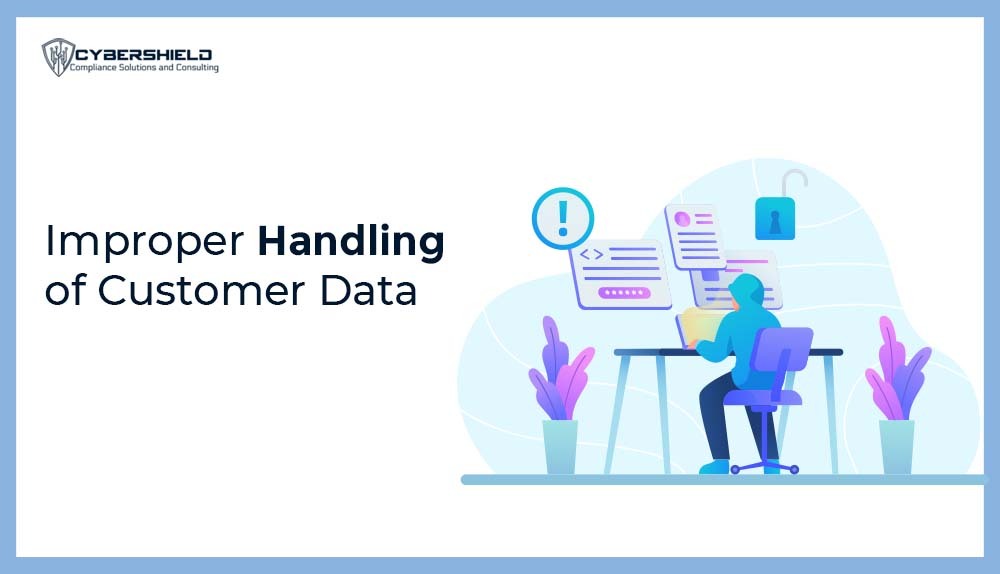
6) Improper Handling of Customer Data
Data privacy is the focus of GDPR, CCPA, and PIPEDA. Mishandling customer data through insecure data transfers, inadequate consent management, or failing to erase data upon request can result in severe fines.
Under the GDPR, companies can be fined up to €20 million or 4% of their global revenue. Many firms get into non-compliance because they don’t understand data subjects’ rights or don’t have systems to manage deletion and consent requests.
- Implement Data Privacy Framework: Manage data collection, processing, and sharing appropriately to comply with data protection laws.
- Use Encryption and Secure Data Transfers: Always encrypt data shared across networks or stored in the cloud.
- Establish Consent Management Systems: Clearly define how customer data is collected, stored, and deleted.
7) Third-Party Vendor Compliance Risk
If your weakest vendor is strong, your organization will comply. Outsourced providers handle cloud hosting, payments, and IT. These services may violate security or privacy laws, making your organization liable.
Lack of due diligence, contractual requirements, or monitoring affects vendor compliance.
- Assess vendor risk: Verify third-party compliance before hiring.
- Compliance clauses in contracts: ISO 27001 and SOC 2 must be followed.
- Continuously monitor vendors: Audit vendor security reports and compliance certifications.
8) Inconsistent or Missing Audit Trails
Many companies use inconsistent logs or error-prone manual tracking.
Audit records help identify suspicious activities, verify compliance, and investigate. It impairs regulatory status, incident response, and accountability.
- Automatic Logging and Monitoring: Track user activity and system changes with compliance management software.
- Secure Logs: Keep logs in tamper-proof, restricted locations.
- Review Audit Logs Regularly: Regularly review audit logs to spot anomalies and prevent breaches.
9) Non-Compliance with Industry-Specific Standards
Each industry has specific compliance requirements. Healthcare organizations follow HIPAA, financial institutions SOX or PCI-DSS, and manufacturing or tech enterprises ISO 27001.
Fines, lawsuits, and reputational damage can result from violating these requirements. Insufficient understanding, internal expertise, or monitoring methods often cause the problem.
- Identify Applicable Standards: Determine which frameworks apply based on your industry, geography, and data type.
- Engage Compliance Specialists: Partner with experts like Cybershield CSC, which provides the best cybersecurity compliance solutions for SMBs.
Additional Compliance Issues:
1) Information Privacy
Information privacy is a significant compliance issue for firms handling vast amounts of personal and sensitive data. Mishandling personal data, violating privacy rights, or not disclosing data usage can lead to regulatory attention and customer distrust.
2) Cybersecurity Compliance
Cybersecurity compliance makes sure that security follows rules and best practices in the field. Weak security, old technology, or not following the rules can put businesses at risk of cyberattacks and compliance issues.
3) Problems with following environmental rules
Companies must gradually follow the rules of reporting waste, emissions, energy, and sustainability. Not following the rules can lead to legal penalties, damage to your business, and a lack of trust among stakeholders.
4) Occupational Safety and Health
Compliance with workplace safety regulations is critical to protecting employees. Failure to meet occupational safety and health requirements can result in workplace accidents, regulatory action, and increased liability.
5) Inadequate Training
Employees don’t know what their regulatory requirements, internal standards, and acceptable practices are because they don’t get formal compliance training. This gap might lead to inadvertent infractions and dangers to operations.
6) Uncertainty in politics and regulations
Uncertainty is caused by frequent changes in rules, disputes between countries, and changes in government policy. When businesses work in more than one region, they often have trouble understanding and following rules that are similar or different from each other.
7) Following the rules for anti-money laundering (AML)
Financial institutions and enterprises that are regulated are very worried about AML compliance. Weak customer due diligence, not keeping an eye on transactions closely enough, or bad reporting methods make it easier for financial crime to happen and for regulators to punish businesses.
8) Compliance Cost
Tools, audits, training, and staffing are just some of the things that can add up to a lot of money when it comes to staying compliant. For many small and medium-sized businesses, it is always hard to find a balance between compliance needs and operational finances.
9) Corruption and Ethical Violations
If you don’t deal with bribery, corruption, or unethical business methods, you could face serious legal problems. Ethical behavior must be taken into account by compliance programs, especially when they are used in many countries.
10 ) Manual Processes
When you depend too much on manual compliance processes, you are more likely to make mistakes, be late, or have discrepancies. When you track things by hand, you often miss things and don’t know who is responsible.
11 ) Privacy Breaches
Privacy breaches occur when personal or sensitive data is accessed, disclosed, or used without authorization. These incidents often trigger regulatory investigations and mandatory breach notifications.
12 ) Process Risks
Compliance gaps are caused by internal processes that are not well-defined or are not followed consistently. When workflows don’t follow the rules or the regulations that are written down, process hazards happen.
13) Gaps in Regulatory Compliance
When companies don’t follow the law because they don’t comprehend it, forget about it, or don’t keep an eye on it, they have compliance concerns.
14) Problems with Risk Management
Not properly identifying, assessing, or documenting risks makes it harder to follow the rules. Organizations have a hard time figuring out which regulatory responsibilities are most important when they don’t fully comprehend compliance concerns.
15) A Growing Threat Landscape
Attackers take advantage of regulation gaps, old controls, and human error, which makes compliance more difficult as cyber threats grow.
16) Complexity of Regulations
These days, rules are getting more complicated, combine, and depend on the area they apply to. This level of complexity makes it hard to understand and use, especially for companies that do business around the world.
17) Consumer Protection Violations
Non-compliance with consumer protection laws, such as misleading disclosures, unfair practices, or improper handling of complaints, can lead to fines and reputational damage.
How to Overcome Common Compliance Issues
Identifying compliance issues is just the start. A systematic, proactive, and scalable compliance approach that tackles regulatory, operational, and human risks is essential for long-term regulatory success.
1) Establish Strong Governance and Internal Controls
Compliance failures typically result from poor governance. Organizations must define compliance ownership with documented rules, processes, and approval workflows. Effective internal controls decrease process risks, establish responsibility, and standardize departments.
2) Integrate Risk Management into Compliance Programs
Compliance cannot exist alone. Enterprise risk management and compliance must be aligned to identify regulatory, operational, cybersecurity, and process issues early. Continuous risk evaluations target high-impact compliance areas and decrease vulnerability to shifting threats and complex rules.
3) Strengthen Information Privacy and Data Protection
Addressing information privacy, consumer protection violations, and data protection for children requires a unified data governance approach. Organizations should maintain visibility into where sensitive data resides, how it is processed, and who has access, ensuring compliance with global privacy regulations.
4) Improve Cybersecurity and Threat Preparedness
With a growing threat landscape, cybersecurity compliance must be embedded into daily operations. Aligning security practices with recognized frameworks helps organizations address cybersecurity risks, privacy breaches, and regulatory compliance requirements simultaneously.
5) Reduce Dependency on Manual Processes
Manual compliance processes increase errors, inefficiencies, and documentation gaps. Automating compliance workflows improves accuracy, supports audit readiness, and reduces long-term compliance costs while enabling better tracking and reporting.
6) Enhance Employee Education and Awareness
Human error remains a major compliance risk. Ongoing employee education ensures staff understand regulatory requirements, ethical responsibilities, data handling practices, and security expectations. Awareness programs reduce incidents related to inadequate training, ineffective communication, and policy misunderstandings.
Compliance is complicated and requires regular adjustment. From data security to vendor management, every facet of a firm affects its regulatory status.
Businesses can create resilience and regulatory success with a skilled compliance partner like Cybershield CSC. Businesses can keep ahead of growing threats and regulations with our expertise in Cyber Compliance Solutions, CIS Controls installation, and cyber risk mitigation.