

10 Common Cybersecurity Threats Every Business Should Prepare for in 2027
Key Takeaways
- Ransomware showed up in nearly half of all breaches in Verizon’s 2026 report.
- Attackers now break in through unpatched software more than stolen passwords.
- Vendors were involved in close to half of breaches, so vendor reviews matter.
- AI makes phishing, voice scams, and deepfakes far harder to spot.
- Shadow AI is a fast growing data leak risk that needs a clear policy.
- A risk assessment and a vCISO help you tackle the right threats first.
Every year someone publishes a list of “new” cyber threats, and every year the same few problems do most of the damage. The difference heading into 2027 is speed. Attackers now use AI to write convincing scams, find weak spots, and move through networks faster than most small teams can react.
We spend our days helping small and midsize businesses build security programs, so we see what actually hits companies, not just what makes headlines. Below are the cybersecurity threats for 2027 we think every owner and manager should plan for, along with what you can do about each one.
1. Ransomware and Data Extortion
Ransomware isn’t going away. Verizon’s 2026 Data Breach Investigations Report found it in 48% of all breaches, up from 44% the year before. Today’s gangs don’t just lock your files. They steal data first and threaten to publish it if you don’t pay.
The good news? The same report found most victims refused to pay. Tested offline backups, a written response plan, and strong cyber compliance practices are what let a business say no.
2. Unpatched Software and Vulnerability Exploitation
For the first time in the report’s history, exploiting software flaws overtook stolen passwords as the top way attackers get in. And patching is getting slower, with the median time to fully fix a known issue stretching to 43 days.
That’s a long window. Firewalls, VPNs, and remote access tools are favorite targets, so they belong at the front of your patching queue.
3. Vendor and Third Party Breaches
Your security is only as strong as the companies you share data with. Verizon says third parties were involved in nearly half of all breaches this year, a jump of 60%.
Think about your payroll provider, your IT contractor, your cloud apps. Ask vendors how they protect your data, limit what they can access, and review that access at least once a year.
4. AI Powered Phishing, Voice Scams, and Deepfakes
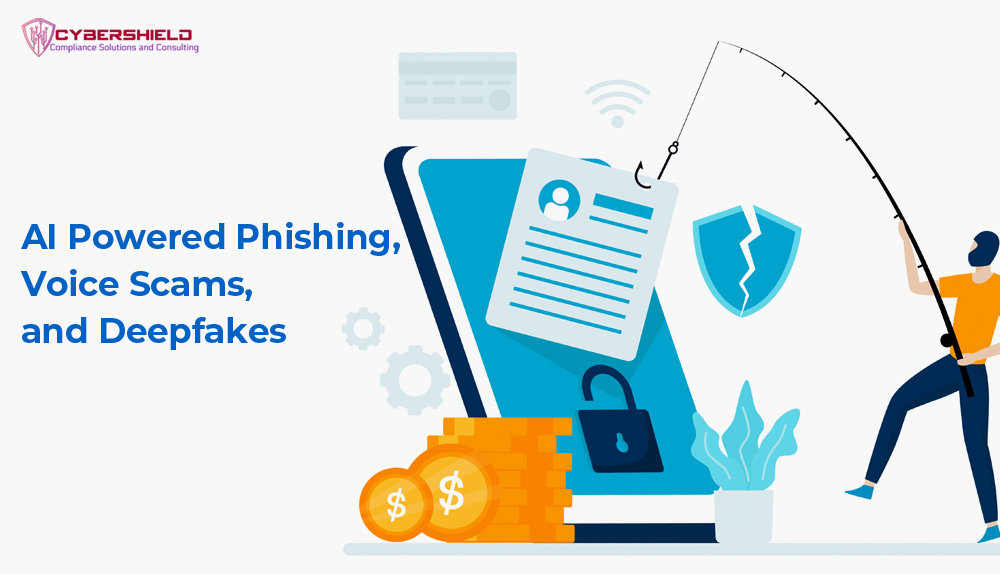
The days of spotting a scam by its bad grammar are over. AI writes polished emails in seconds, and attackers increasingly call or text instead, because people trust a voice more than an inbox.
Some criminals now clone an executive’s voice from a podcast or video clip. A quick “verify by calling back” rule protects you better than any filter here.
5. Business Email Compromise
BEC remains one of the most expensive crimes in the country. The FBI’s Internet Crime Complaint Center tied about $3 billion in reported losses to it in 2025. Criminals pose as a vendor or executive and ask for a wire, a bank change, or gift cards. Often there’s no link and no attachment, so filters let it through.
6. Stolen Credentials and MFA Bypass
Passwords are leaking all the time via phishing, malware and old breaches. Multifactor authentication helps a lot, but attackers have figured out how to spam push notifications until someone taps “approve” or steal session cookies that bypass the login altogether.
Consider looking into phishing resistant options like passkeys and hardware keys, especially for admins and finance staff. With a zero trust security approach, where no user or device is trusted by default, if one account falls, the damage is limited.
7. Shadow AI and Data Leaks
Employees love AI tools, and many use them without telling anyone. Verizon found shadow AI use roughly quadrupled as a source of risky insider activity.
The risk is simple: someone pastes a client contract or patient record into a free chatbot, and now that data lives somewhere you don’t control. You don’t need to ban AI. You need a clear policy, approved tools, and some training. The rise of AI agents in cybersecurity also means you should know what automated tools can access in your systems.
8. Cloud Misconfigurations
Most small businesses run on Microsoft 365, Google Workspace, and a handful of SaaS apps. One wrong sharing setting can expose a whole folder to the internet. Regular configuration reviews and tight admin permissions catch these mistakes before an attacker does.
9. Insider Threats
Most insider incidents aren’t malicious. They’re tired people clicking the wrong thing or emailing the wrong file. Some, though, are disgruntled employees taking data on the way out. Good offboarding, least privilege access, and activity monitoring cover both cases.
10. Remote Work and Personal Devices
Laptops on home WiFi and personal phones checking work email are now normal, and they widen your attack surface. Device management, disk encryption, and the security basics in the CIS Controls go a long way toward keeping remote setups safe.
How to Prepare Without Breaking the Budget
You don’t have to fix all ten at once. Start with a risk assessment so you know which threats matter most for your industry and data. Then focus on the moves that cover several threats together: multifactor authentication everywhere, fast patching, tested backups, vendor reviews, and regular employee training.
Just as important, have someone watching. Many smaller companies now rely on an AI based security operations center to spot unusual activity around the clock, because no small IT team can watch alerts at 3 a.m.
How CyberShield CSC Helps
At CyberShield CSC, we help growing businesses turn a long list of threats into a short, practical plan. Our vCISO services give you senior security leadership without the cost of a full time executive. We assess your risks, set priorities, write the policies, and guide your team through every step.
We also build programs around HIPAA, SOC 2, ISO 27001, and other frameworks, so the same work that protects you from attackers helps you pass audits and satisfy customers. If you’re not sure which of these threats poses the biggest risk to your business, that’s exactly where we’d start.