
VoIP Security Risks Every Business Should Know in 2027
Key Takeaways
- Phone systems are now a favorite target because people still trust a ringing phone.
- Toll fraud can run up a five figure bill over a single weekend.
- AI voice cloning makes “call back on a known number” rules a must.
- Encrypt call traffic with TLS and SRTP, especially in regulated industries.
- Treat phones, softphones, and PBX systems like any other device that needs patching.
- Bring your VoIP system into your security monitoring and compliance program.
Most business owners never think about their phone system until something goes wrong. Then it usually goes wrong in one of two ways. Either a staff member gets a convincing call from “IT support” and reads out a login code, or the company opens a phone bill packed with thousands of dollars in international calls nobody made.
Both are VoIP attacks. And both are getting more common.
Voice over Internet Protocol (VoIP) has replaced old landlines in most offices. Platforms like Microsoft Teams Phone, RingCentral, and Zoom Phone are cheaper and more flexible. But because they run over the internet, they carry the same kinds of risks as your email and cloud apps. Here are the VoIP security risks we think every business should plan for in 2027.
Why Attackers Care About Your Phone System
Phones feel trustworthy. People are trained to be suspicious of strange emails, but a ringing phone with a familiar caller ID still gets an instant answer. Verizon’s 2026 Data Breach Investigations Report noted that attackers are now having more success with voice and text messages than with email phishing.
On top of that, phone systems often slip through the cracks. They’re set up once by a vendor, rarely patched, and nobody on the security side is watching them.
1. Toll Fraud
Toll fraud happens when criminals break into your phone system and use it to make expensive calls, usually to premium rate international numbers they profit from. It often starts on a Friday night and runs all weekend. By Monday, the bill can reach five figures, and many carriers hold the business responsible for paying it.
Weak voicemail PINs, default admin passwords, and open SIP trunks are the usual way in.
2. Vishing and Caller ID Spoofing
Vishing is phishing by phone. Attackers spoof caller ID so the call appears to come from your bank, your IT provider, or even your own CEO. Then they ask for a password, a multifactor code, or a quick payment.
The FCC’s STIR/SHAKEN rules help carriers verify caller identity, but spoofed calls still get through, especially from overseas networks. Training your team to hang up and call back on a known number is still the best defense.
3. AI Voice Cloning and Deepfake Calls
This one has moved from science fiction to real risk fast. With a short clip from a podcast, webinar, or social video, criminals can clone an executive’s voice and call the finance team asking for an urgent wire.
Set a simple rule that no payment or banking change is approved by phone alone, no matter who seems to be calling.
4. Eavesdropping and Call Interception
If your VoIP traffic isn’t encrypted, someone with access to your network can capture and replay calls. That’s a serious problem for law firms, healthcare practices, and financial advisors who discuss sensitive details by phone.
Make sure your provider uses TLS for call signaling and SRTP for the audio itself.
5. Weak Passwords and Default Settings
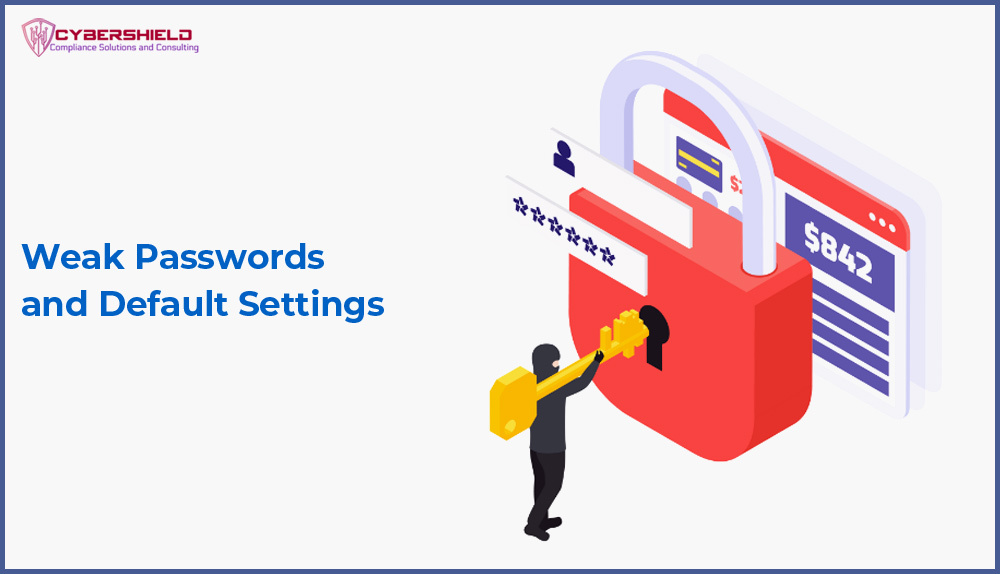
Desk phones, softphone apps, and admin portals often ship with default credentials. Attackers scan the internet for them constantly. Every admin account should have a strong unique password and multifactor authentication, and default logins should be changed on day one.
6. Unpatched Phone Systems and Devices
IP phones and on site PBX systems run software just like laptops do, and they have vulnerabilities too. Many businesses never update them. Put your phone equipment on the same patching schedule as the rest of your network, and retire devices that no longer receive updates.
7. Denial of Service Attacks
Attackers can flood your phone lines with junk calls or overwhelm your internet connection so legitimate customers can’t get through. This is sometimes called a telephony denial of service (TDoS) attack. For a medical office or service business that lives on inbound calls, even a few hours offline hurts.
8. Call Recordings and Compliance Exposure
Many VoIP systems record calls and store voicemails in the cloud. Those files can contain patient information, card numbers, or confidential client details. If they’re not protected properly, you may have a HIPAA or PCI DSS problem on your hands. Poor handling of recordings is one of the common compliance issues we see during reviews,.
9. Remote Workers and Softphones
Employees now take business calls on laptops and personal phones from home, coffee shops, and airports. Each of those devices is a possible entry point. A zero trust security approach, where every user and device has to prove itself before getting access, keeps a stolen phone or compromised laptop from turning into a bigger breach.
How to Secure Your VoIP Phone System
You don’t need a big budget to make real progress. Start by asking your provider a few direct questions: Is call traffic encrypted? Are there international calling limits and fraud alerts? How are admin accounts protected? Then take care of the basics on your side.
Turn off international calling for anyone who doesn’t need it, and set spending caps with your carrier. Change all default passwords and turn on multifactor authentication for every admin portal. Separate voice traffic from your main data network using a VLAN. Keep phone firmware updated. Review call logs regularly for odd patterns, like late night calls to unfamiliar countries.
Finally, bring your phone system into your overall security monitoring. An AI based security operations center can flag unusual call activity or login attempts long before the monthly bill shows up.
How CyberShield CSC Helps
At CyberShield CSC, we look at your phone system as part of your whole security program, not an afterthought. Through our vCISO services, we review your VoIP setup, check vendor security, and build clear policies for call handling, payment verification, and remote access.
If you handle regulated data, our cyber compliance team makes sure call recordings, voicemail storage, and provider contracts meet HIPAA, PCI DSS, and other requirements. And for growing companies that don’t want to manage all of this themselves, we show how outsourced cyber compliance simplifies security management so your team can focus on customers instead of configuration settings.
If you’re not sure how secure your phone system really is, that’s a good place to start the conversation.