
How AI Is Transforming Cybersecurity Compliance for Florida Healthcare, Finance & Legal Firms
Florida businesses are drowning in regulations. A hospital in Tampa answers to HIPAA. A wealth management firm in Miami answers to GLBA and FINRA. A law office in Orlando answers to Florida Bar confidentiality rules and client data protection standards. Add the Florida Information Protection Act into the mix, and compliance starts feeling like a second job.
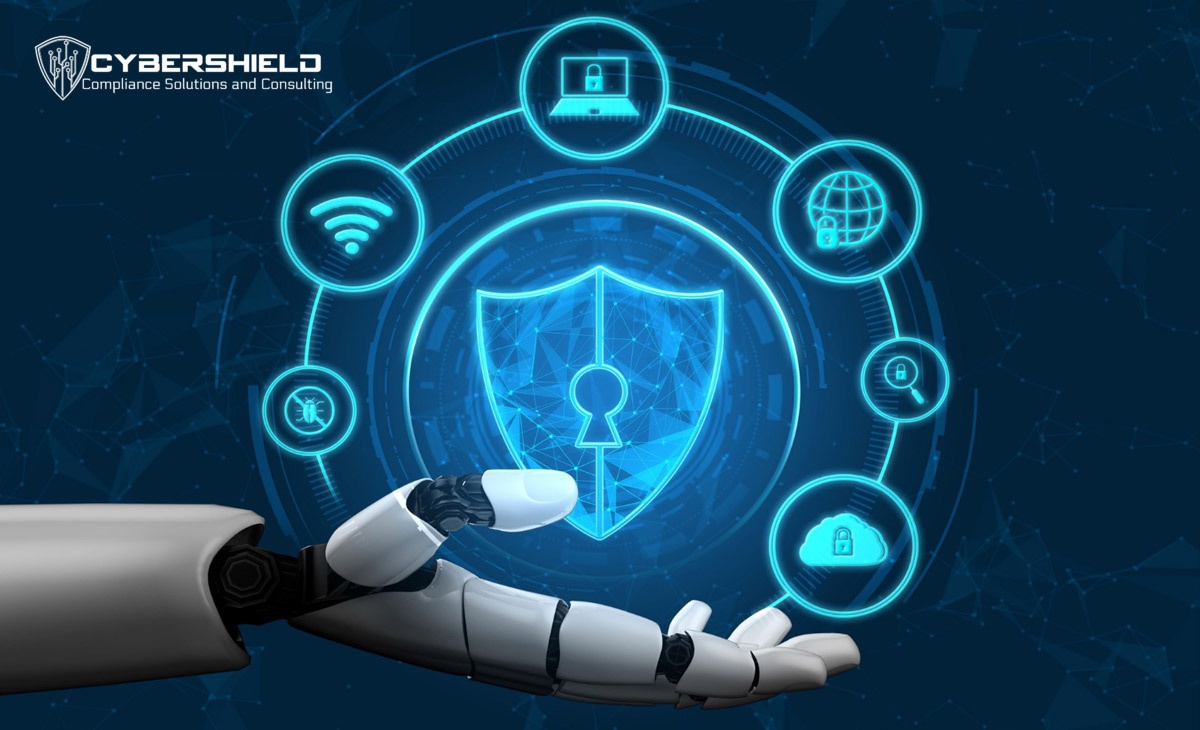
That is where artificial intelligence is changing the game. AI driven cybersecurity compliance is no longer a buzzword reserved for Silicon Valley firms. It is showing up in real Florida boardrooms, helping healthcare providers, financial institutions, and legal practices catch risks before they turn into breaches or lawsuits.
Why Compliance Got Harder Before It Got Smarter
Ten years ago, compliance meant an annual audit and a binder full of policies. Today, threats evolve daily, regulations change every year, and a single misconfigured cloud server can expose thousands of patient records or client files overnight. Manual compliance checks simply cannot keep pace with modern cyber threats, which is why so many Florida organizations are turning to AI powered compliance monitoring to stay ahead of both auditors and attackers.
What AI Actually Does for Compliance
Artificial intelligence does not replace compliance officers or vCISOs. It gives them superpowers. Now AI systems are constantly monitoring network activity and flagging anything out of the normal as it occurs, rather than having to review logs by hand every quarter. Rather than making assumptions about where a HIPAA gap exists, machine learning models cross-reference an organization’s controls against thousands of known regulatory requirements and pinpoint the exact areas that need remediation.
A few practical examples of what this looks like day to day:
Automated risk scoring ranks vulnerabilities by real world impact, so teams fix what matters most first.
Predictive threat detection studies network patterns and flags anomalies, such as a login from an unusual location, before a human analyst would notice.
Continuous audit readiness keeps documentation and access logs updated in real time, so an audit request no longer triggers a week of scrambling.
Natural language policy review lets AI tools read internal policies and compare them against frameworks like HIPAA, SOC 2, or PCI DSS, catching outdated language before an auditor does.
Healthcare Firms in Florida: Where AI Meets HIPAA
Florida healthcare providers face constant pressure to protect patient data while keeping up with rising ransomware attacks on hospitals and clinics. AI driven HIPAA compliance for healthcare firms helps by monitoring electronic health record systems around the clock and catching unauthorized access attempts before they spread.
For growing practices building their compliance program from scratch, a structured HIPAA compliance checklist for healthcare startups is a smart starting point before layering in AI monitoring tools.
Many Florida healthcare groups now pair HIPAA controls with a continuous threat exposure management program so new gaps get caught between audits, not just during them.
Finance Firms: Fraud Detection Meets Regulatory Pressure
Banks, credit unions, and investment advisors in Florida deal with GLBA, FINRA, and state level consumer protection rules all at once. AI powered fraud detection for financial firms analyzes transaction patterns in milliseconds, something no human team could match, while also generating the audit trails regulators expect to see.
Many finance firms pair this technology with outsourced leadership through a virtual chief information security officer, gaining enterprise level oversight at a fraction of an executive salary. Others explore the wider benefits of outsourcing cyber compliance instead of building a team from scratch.
Legal Firms: Protecting Privileged Data With Smarter Tools
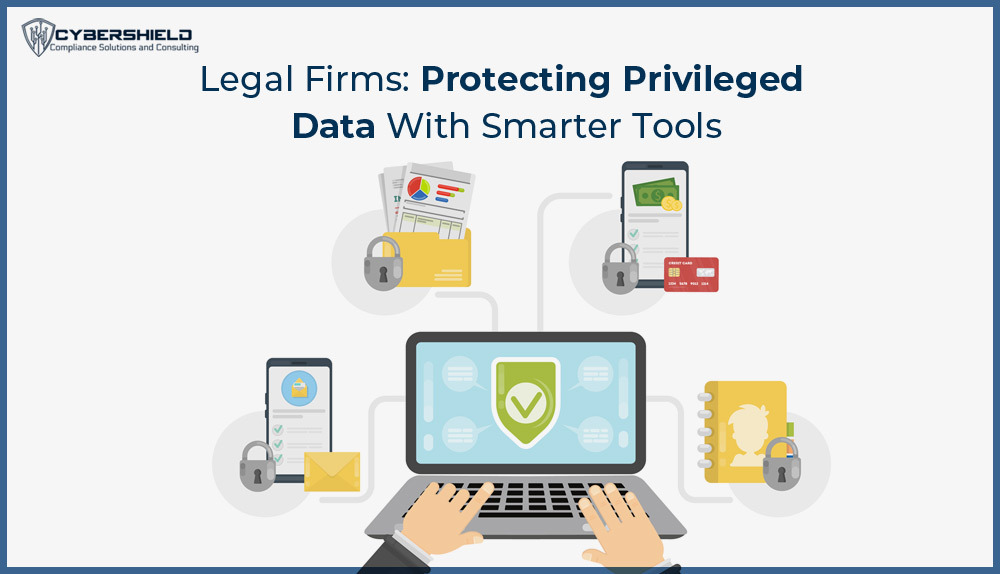
Law firms hold some of the most sensitive information that exists, from litigation strategy to financial records to personal client details, and a single breach can mean malpractice exposure and lost client trust. AI based compliance solutions for law firms scan document management systems for unusual access patterns and help firms meet client mandated security requirements without slowing down casework.
Firms wanting a deeper look at the specific risks facing legal practices can review this breakdown of cybersecurity for law firms and how compliance and risk management fit together.
Choosing the Right Monitoring Approach
Not every AI compliance tool works the same way. Understanding the difference between SOC, SIEM, XDR, and MDR helps decision makers pick a monitoring stack that matches their actual compliance obligations instead of paying for overlapping tools.
A Word on Secure Communication: The USP of OmniCaaS
Compliance is not only about data storage and network defense. It is also about how a business communicates, and this is where OmniCaaS stands out. As a cloud first Unified Communications and Collaboration platform, OmniCaaS gives Florida healthcare, finance, and legal firms encrypted voice, video, and messaging tools built for regulated industries, combining clear communication with the access controls compliance teams actually need.
The Bottom Line
AI is not a replacement for a strong compliance strategy. It is what makes that strategy achievable for busy Florida firms without a massive internal security team. Pairing continuous AI monitoring with tailored cyber compliance services gives healthcare, finance, and legal organizations a realistic path to staying protected and compliant. Florida firms ready to map out a strategy can reach the team through the contact page.